

ISM’s Anti-Bullying
https://vimeo.com/1126175059?share=copy
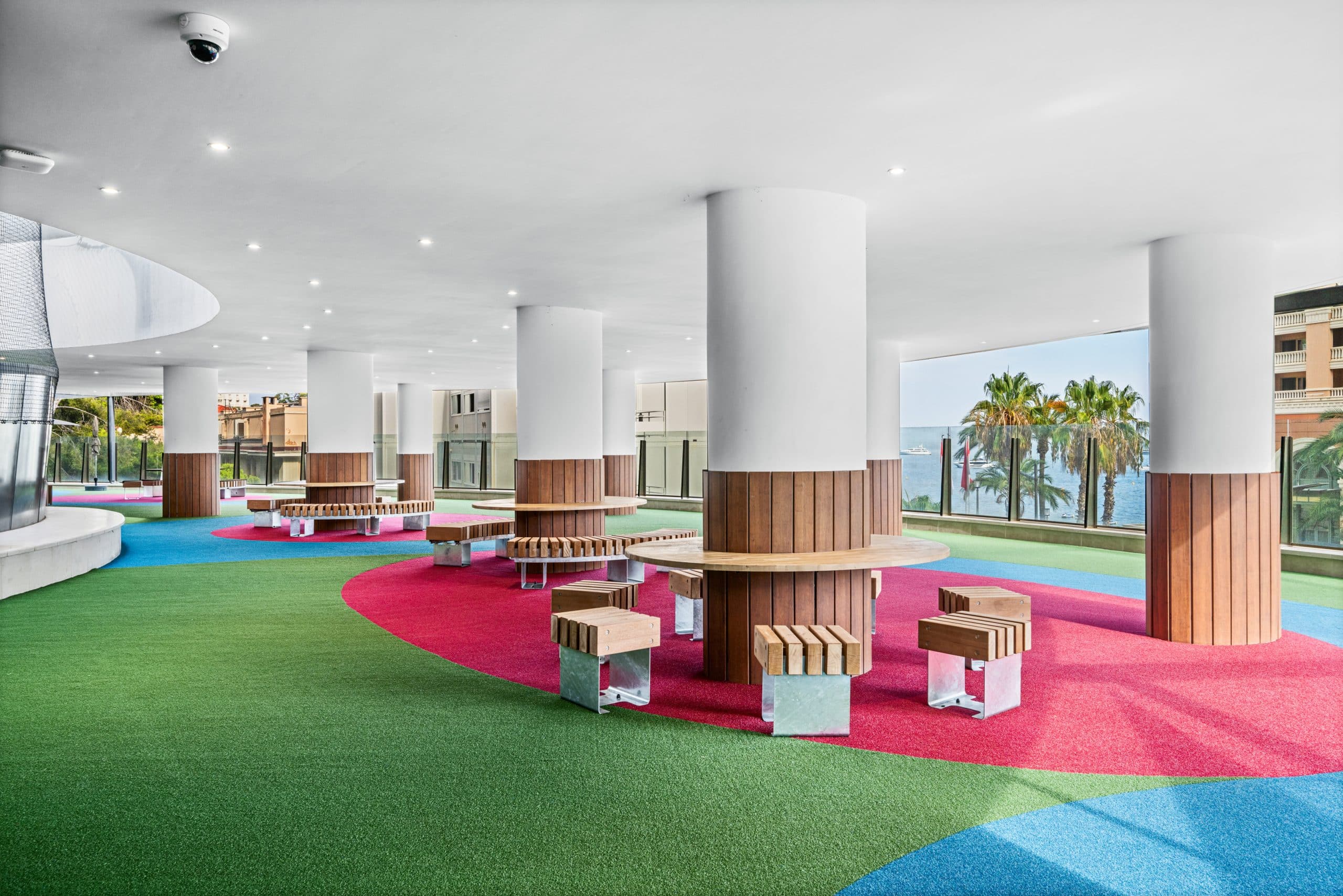
At ISM, we believe that wellbeing is a whole-school responsibility, embedded in relationships, learning, pastoral care, safeguarding and the wider life of the school. Our approach is built on the values of care, compassion, respect, and courtesy, creating a positive and inclusive environment where every student can flourish. Every student is known as an individual. Their wellbeing and personal growth are as important to us as their academic progress. Each child begins their day with their Classroom or Homeroom teacher, who serves as their main point of contact and plays a key role in building strong, supportive relationships. Our small class sizes allow for meaningful connections and ensure that students receive the attention and guidance they need.

Dear Parents,
At ISM, pastoral care is at the heart of everything we do. We believe that happy, confident students who feel valued and supported are best placed to achieve their potential—academically, socially, and emotionally. Our approach is built on the values of care, compassion, respect, and courtesy, creating a positive and inclusive environment where every student can flourish.
Every student is known as an individual. Their wellbeing and personal growth are as important to us as their academic progress. Each child begins their day with their Classroom or Homeroom teacher, who serves as their main point of contact and plays a key role in building strong, supportive relationships. Our small class sizes allow for meaningful connections and ensure that students receive the attention and guidance they need.
Beyond this daily support, each year group is led by a Head of Year, with the Assistant Heads of each school also actively involved in student wellbeing. ISM has two qualified School Counsellors, who work closely with staff, students, and families to provide additional emotional and social support. Students are welcome to arrange individual appointments with our counsellors during the school day. In addition to this we have a wider ISM Wellbeing Team which includes members of the Medical Team, the Primary and Secondary Pastoral teams, the Access & Inclusion team and, of course, our School Counsellors.
“There’s a strong sense of community at ISM. It’s a school that really cares about students and puts wellbeing first.” – Student, Year 11
Our Health Centres continue to be safe, welcoming spaces supervised by our three nurses and one Health Coordinator. While they manage illness and injuries, they also offer a compassionate ear to any student who needs to talk privately. It’s a calm, supportive environment where students can take time out when needed and speak with trusted adults. All of our nurses and our Health Coordinator are qualified Mental Health First Aiders.
The Care Room at the International School of Monaco is a dedicated space that supports the emotional wellbeing and personal growth of our students. It is a calm, welcoming environment where students can meet with our school counsellors to talk through challenges, seek guidance, or simply take time to reflect. The Care Room provides a safe and confidential setting for students to express their thoughts and feelings, develop coping strategies, and build resilience. Our counsellors work closely with teachers, the pastoral team, and families to ensure that every student receives the support they need to thrive — socially, emotionally, and academically. This space is central to ISM’s commitment to wellbeing, ensuring that every student knows there is always someone to listen, to care, and to help them navigate life both inside and outside the classroom.
“You don’t have to go to people. People make the effort to come to you.” – Student, Year 10
As Deputy Director (Wellbeing), I oversee the pastoral care of all ISM students and deeply value the conversations I share with students and parents about their experiences and growth. This section of our website highlights our commitment to Safeguarding, our comprehensive SCALE (Skills for Career and Life Enhancement) programme, and the range of pastoral support available throughout the school. Early intervention and ongoing monitoring ensure that every student receives the right support at the right time.
Our parent workshops continue to play a vital role in strengthening the partnership between home and school, and I warmly encourage you to attend whenever possible.
To support our Anti-Bullying culture, you can read more in this section of our website about our Plan for Prevention against Harassment, Bullying and Violence in school. ISM remains fully committed to giving students an education free of intimidation or any other forms of bullying. Our students all have access to The Student Voice, an online reporting system for any concerns related to themselves or others. In addition to this, we have recently introduced MARIO Education, a wellbeing software allowing early intervention should a concern arise.
If you would like to discuss any aspect of your child’s wellbeing at ISM, please don’t hesitate to contact me.
Lindsay Mackenzie-Wright
Head of Wellbeing
Designated Safeguarding Lead
Student Harassment Referent
Our Wellbeing Team provides a wide range of support and guidance to help students thrive across all aspects of their wellbeing, including:
At ISM, we recognise that there are times in every student’s life when they may need additional pastoral care, guidance or support. Our pastoral team is here to provide a safe, trusted and supportive environment where students can talk openly, seek advice and develop the confidence and strategies they need to navigate challenges.
Support may be particularly valuable when students are experiencing friendship or relationship difficulties, emotional concerns, anxiety or worries, changes in family or personal circumstances, or transitions between year groups and phases. We also provide support around attendance and engagement, social difficulties, behaviour and restorative approaches, as well as following significant or challenging events.
Our approach is responsive, compassionate and centred on each student’s individual needs, helping them feel understood, connected and able to thrive.
Every student has access to:
Who can I contact?
Please always contact your child’s classroom or homeroom teacher as your first port of call. This person will deal with the issue directly when possible or will delegate or escalate it to the appropriate staff member.
If you have already contacted your child’s classroom or homeroom teacher but you have not received acknowledgement or resolution, you can submit a message using our Parent Feedback Portal. The appropriate member of our senior leadership team, including the Director and Head of the relevant school, will be made aware of your concern and will see your matter through to a conclusion. The Director and Head of School will be kept informed during this process.
Safeguarding is about protecting children from harm and promoting their welfare.
ISM’s Designated Safeguarding Lead is Mrs Lindsay Mackenzie-Wright, and she oversees all safeguarding matters across each part of the school. Mrs Mackenzie-Wright is also the Head of Wellbeing, and she has a breadth of experience in child protection as well as the mental health of children and adolescents. If you are concerned about the safety or wellbeing of a child, you can contact Mrs Mackenzie-Wright at safeguarding@ismonaco.com. You do not need to be certain that abuse or harm has occurred in order to raise a concern.

Key safeguarding contacts at ISM:
Designated Safeguarding Lead (DSL) & Anti-Bullying and Harassment Referent: Mrs Lindsay Mackenzie-Wright (Head of Wellbeing)
Designated Safeguarding Lead (DSL): Mr Robert Henry (Deputy Director)
Designated Safeguarding Lead (DSL): Mr Emmanuel Gauthier (Head of Primary School)
Designated Safeguarding Lead (DSL): Mrs Helen Duncan (Safeguarding Manager)
Deputy DSL: Mr Raphael Lobley
Deputy DSL: Miss Jenny Abbott
School Counsellor, Mental Health First Aider, Staff Concerns Referent: Mrs Jan Kilpatrick
School Counsellor: Mrs Alina Constantin
ISM’s Safeguarding Policies
To read our safeguarding policies, please refer to our ISM Policies page.
Every student has the right to feel safe, respected and included. At ISM, we take concerns about bullying, harassment and discriminatory behaviour seriously, and we respond in line with our school policies.
The school expects all members of the community to treat others with respect, kindness and dignity, promoting an inclusive environment where everyone feels safe, valued and accepted. Bullying, cyberbullying, harassment, sexual harassment, discrimination, racist or identity-based behaviour, and inappropriate online behaviour are not tolerated. All students are encouraged to make responsible choices, speak up when something is wrong, support others and seek help when needed.
Useful definitions:
ISM remains fully committed to its Anti-Bullying programme that promotes a culture of kindness and care throughout our whole school community. The Anti-Bullying programme is embedded in our everyday interactions, and all staff at ISM are aware of the expectations we have of our students. Our students are also aware of the expectations we have of them.
Our Anti-Bullying Ambassador programme puts students at the forefront of making change. ISM continues to develop this programme and remains fully committed to making ISM a school where there is no tolerance of bullying in any form.

At ISM, we promote children’s rights, including the right to:
ISM is aligned with UNICEF’s Convention on the Rights of the Child and the recommendations of the International Task Force on Child Protection that has set the standards for safeguarding in schools worldwide.
ISM expects all individuals and groups affiliated with the school community, including staff, service and activity partners, volunteers, associated agencies, interns, contractors, guests, parents and visitors, to act with integrity and to take responsibility for keeping students safe. In keeping with this expectation, applicants for positions at ISM must be willing to undergo child protection screening appropriate to the post, including checks with past employers.
ISM strives to be a Child-Safe Organisation in which every adult is:
The Board of Trustees of the International School of Monaco affirms its commitment to the wellbeing and safety of all members of the ISM community, in reflection of ISM’s core values of caring, integrity, learning, and respect.
They also affirm their full commitment to promoting the safety and wellbeing of children and young people in the care of ISM and its extended educational and co-curricular programmes.
The Board of Trustees confirms its belief in the right of all children to be protected from all forms of abuse, neglect, exploitation and violence, as set out in the UN Convention on the Rights of the Child.
Student Voice
Examples of student voice at ISM include:
"The true character of a society is revealed in how it treats its children."
Nelson Mandela

We act with honesty and compassion even in the face of challenge.

We are all learners who embrace challenges and strive to develop and improve.

We nurture and care for the physical, emotional, and social wellbeing of ourselves and others.

We communicate and act with courtesy and politeness. We value what we have.
At ISM, we have a strong wellbeing focus and understand that personal and social education is the responsibility of all members of the ISM community. Together, we support our students in developing:
Wellbeing is developed through:

Our Personal, Social and Physical Education (PSPE) curriculum teaches children to understand themselves, their wellbeing, their relationships and their role within a learning community.
Kindergarten – Year 1
Personal, social and physical education is embedded throughout everyday learning in our Early Years classrooms. Through play, relationships, routines and active learning experiences, children develop an understanding of themselves, their emotions, their bodies and how they interact with others.
Our youngest learners develop self-awareness, emotional understanding, self-regulation, positive relationships, physical wellbeing and healthy habits, while building confidence, independence and a sense of belonging within our learning community.
PSPE learning is supported through stories, discussion, movement, play and practical experiences, allowing children to revisit and apply important ideas throughout the school day.
Years 2 – 6
In Years 2–6, personal, social and physical education is developed through year-long units of inquiry within the transdisciplinary theme of Who We Are. This provides students with sustained opportunities to explore their identity, relationships, wellbeing and physical development.
Students develop their understanding of emotional awareness and regulation, positive relationships, resilience, healthy choices, responsibility and wellbeing, while also developing the knowledge and skills to make informed decisions for themselves and others.
The year-long approach allows students to revisit, practise and apply their learning in different contexts. PSPE is connected with learning across the curriculum, enabling students to explore ideas through different subjects and to transfer their understanding into their everyday lives.
Through inquiry, reflection and action, students are supported to become confident, caring and responsible learners who understand themselves, value their relationships and contribute positively to their communities.

Our SCALE (Skills for Career & Life Empowerment) curriculum for students in Years 7 – 13 is designed to develop informed, resilient and responsible young people equipped to thrive in school, relationships, future careers and the wider world.
SCALE brings together planned curriculum learning, real-world experiences and timely interventions. It is age-appropriate, relevant and responsive, helping students develop the knowledge, values and practical skills they need as their lives – and the world around them – change. To view our SCALE curriculum overview, please click below:
At the International School of Monaco, our approach to technology is grounded in purposeful digital learning and digital wellbeing. We recognise that being digitally capable is about much more than knowing how to use devices and platforms; it is about developing the knowledge, skills, behaviours and mindsets to use technology safely, responsibly, creatively and effectively.

Our five Digital Strands provide a framework for this; together, these strands ensure that technology remains a means to support learning, rather than the focus of learning. They help our students and teachers make informed choices about when, why and how technology should be used, while developing the confidence and self-awareness needed to navigate an increasingly digital world. Our goal is not simply to create digitally capable learners, but digitally wise, responsible and balanced citizens who can use technology to learn, connect, create and thrive.
Belonging – Participation – Leadership
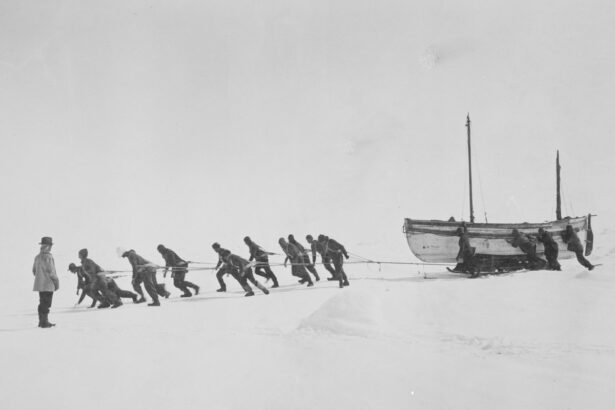
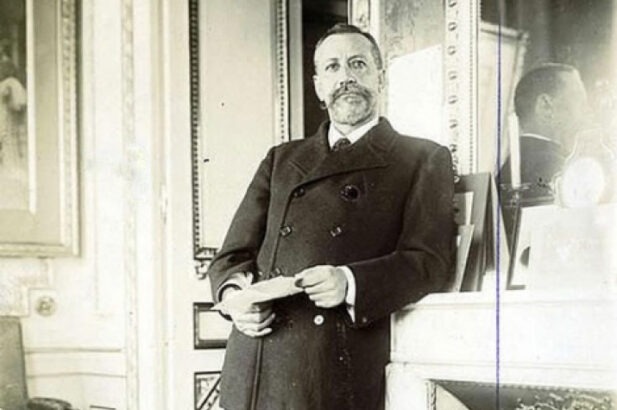
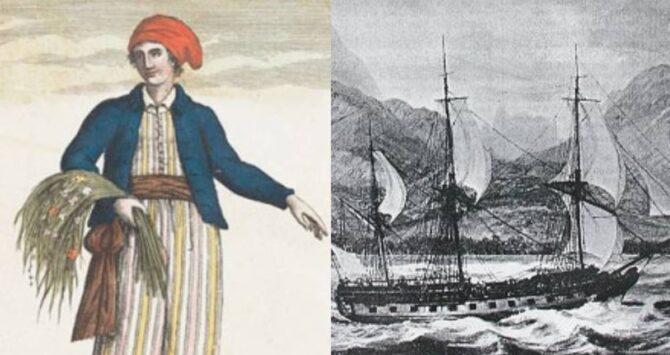
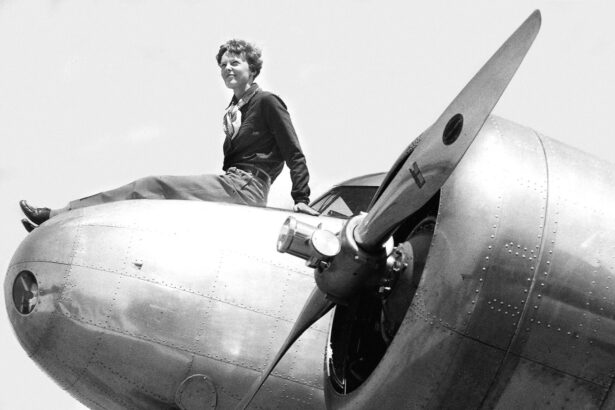
Following the lead of our sister school, King’s College School, Wimbledon, we believe that our students’ learning experience can be effectively augmented and expanded through an engaging, relevant and active House System with a clear wellbeing and pastoral purpose. Named after leaders in the field of exploration, ISM Houses aim to instil a sense of teamwork and healthy competitiveness across a range of academic, sporting, artistic and service-based activities with an emphasis on relationships, participation, leadership and belonging.
Our House System provides opportunities for students to:
➔ Build relationships across year groups
➔ Develop a sense of belonging
➔ Participate in activities and events
➔ Work collaboratively
➔ Support others
➔ Develop leadership skills
➔ Celebrate individual and collective achievements
➔ Contribute to the wider school community
Click on each House icon below to discover the explorer behind its name!